The Shift Toward Autonomous Development
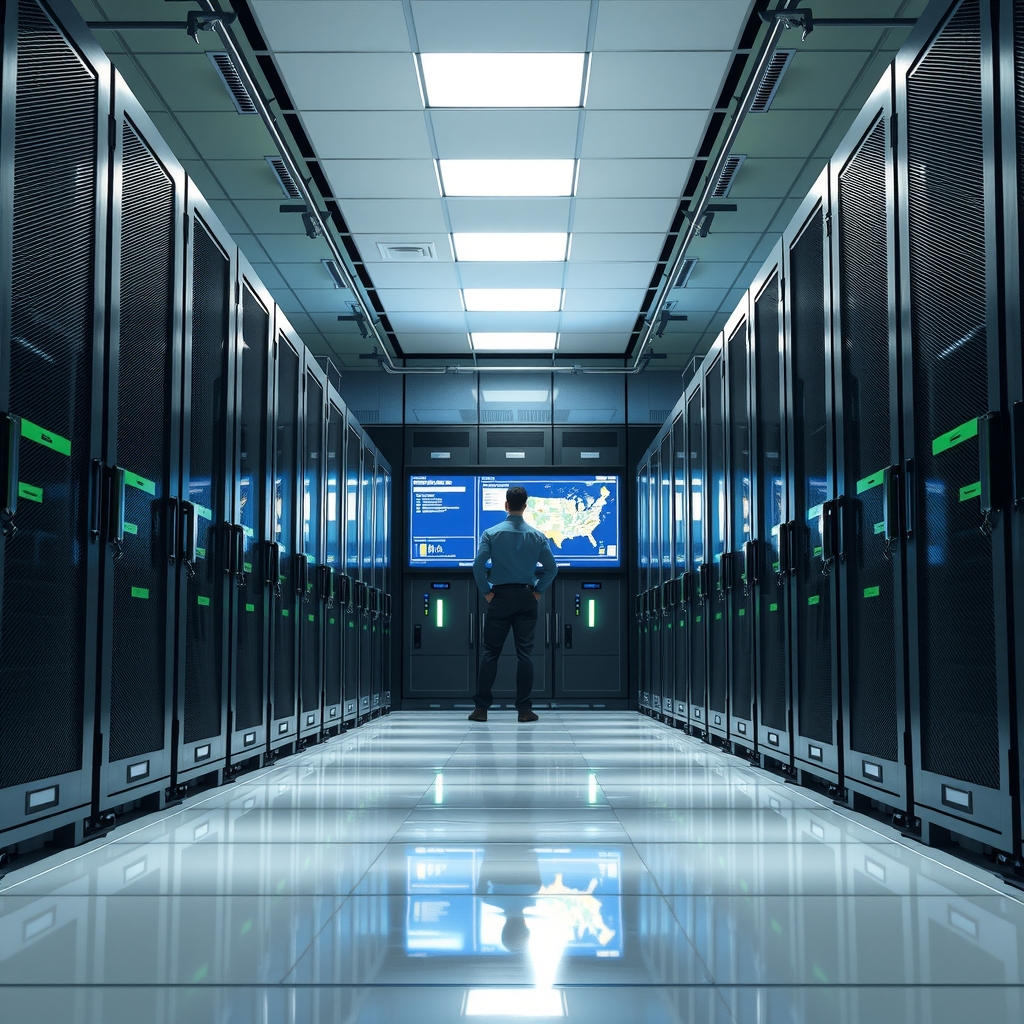
The modern software development lifecycle is undergoing a paradigm shift as organizations transition toward the concept of the agentic software factory. In this model, autonomous agents are tasked with writing, testing, and deploying code, theoretically accelerating delivery timelines and reducing manual toil. However, as these systems become more complex, the industry is discovering that the success of an automated pipeline is only as reliable as the data feeding it. At the heart of this challenge lies the necessity for robust, granular sensing capabilities within the infrastructure.
Infrastructure as the Primary Sensor
For an agent to function effectively, it must possess a deep, real-time understanding of the environment in which it operates. Traditional monitoring and observability tools, while useful for human operators, often lack the high-fidelity telemetry required for machine-driven decision-making. In an agentic factory, the infrastructure itself must act as a sensor, providing constant, structured feedback loops that inform the agent’s next move. This requires moving beyond simple health checks to a state where the environment is continuously queried for context regarding resource utilization, latency, and dependency health.
By integrating sensors directly into the CI/CD pipeline and the underlying Kubernetes orchestration layer, developers can ensure that agents are not merely executing tasks in a vacuum. Instead, these agents can adjust their behavior based on the current reality of the cloud-native ecosystem. Whether it is optimizing container placement or dynamically scaling resources, the agent’s ability to act is strictly bounded by the quality of the telemetry it receives.
Bridging the Gap Between Code and Context
A major bottleneck for agentic systems is the lack of infrastructure context. When agents lack visibility into the underlying network configurations, security policies, or storage constraints, their autonomous actions can inadvertently lead to instability or security vulnerabilities. To mitigate this, engineering teams must prioritize the development of agent-friendly APIs that expose the necessary state information without overwhelming the system with noise.
Furthermore, as edge computing continues to decentralize the software footprint, the importance of localized sensing becomes even more pronounced. Agents operating at the edge require immediate, low-latency insights to make split-second deployment decisions. By treating the entire stack—from the container runtime to the edge node—as a collection of sensors, organizations can build more resilient, self-healing factories that are truly capable of independent operation. The future of software delivery does not lie solely in the intelligence of the agents, but in the clarity of the signals they are provided.