Samsung Electronics has reached a historic milestone in the technology sector, reporting unprecedented financial results for the third quarter of 2026. The company achieved quarterly revenues of ₩195.3 trillion ($145.5 billion), marking a 121.8 percent year-over-year increase. Most notably, Samsung recorded an operating profit of ₩107.4 trillion ($80 billion), securing its position as the first technology company globally to surpass the ₩100 trillion threshold in quarterly operating profit.
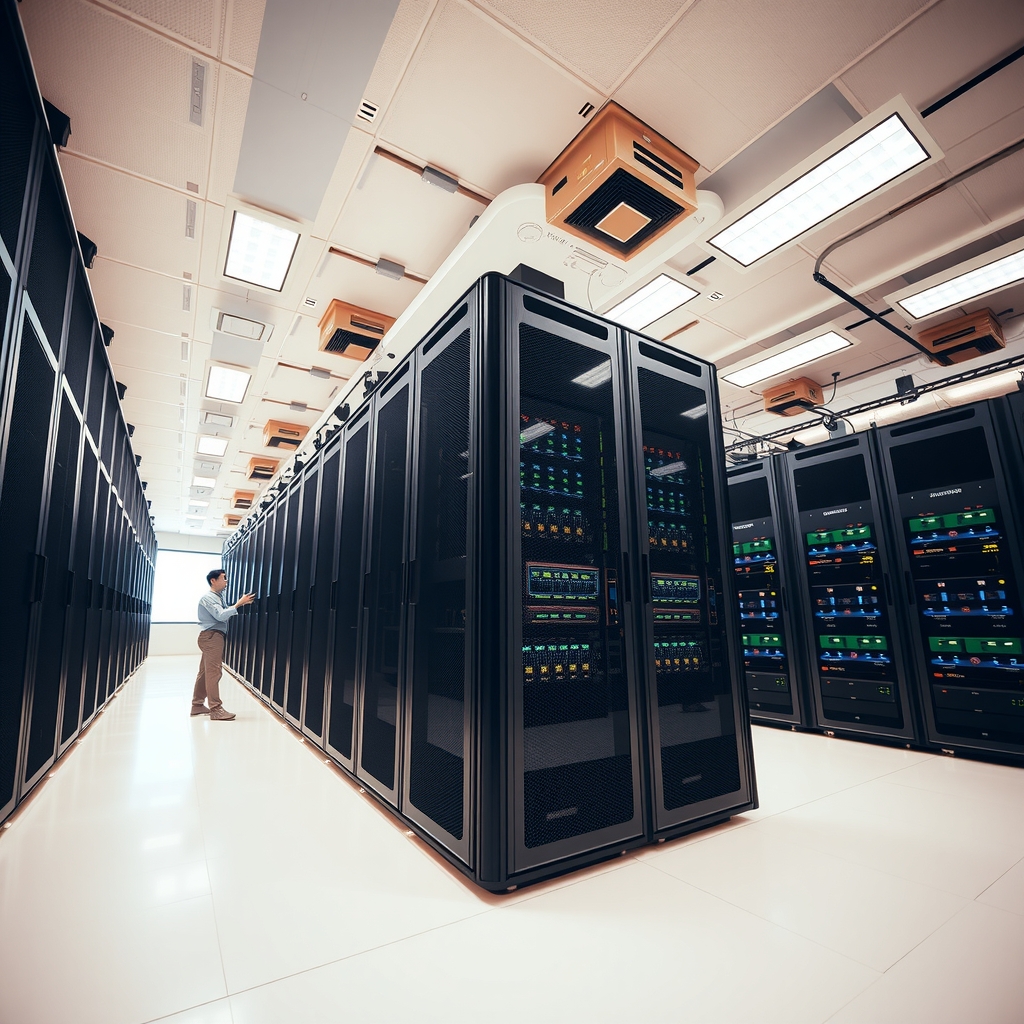
The primary driver of this financial performance is Samsung’s Device Solutions (DS) semiconductor division, which accounted for 72 percent of the company’s total revenue. The memory segment, a core component of the DS division, contributed ₩140.7 trillion ($104.8 billion) to the quarterly total. This growth is largely attributed to the rapid scaling of High Bandwidth Memory (HBM4) production and a significant rise in demand for high-capacity server SSDs, which are essential for modern AI-driven cloud infrastructure.
Samsung’s foundry business also saw substantial gains, benefiting from increased sales of HBM base-dies and advanced-node manufacturing. The company highlighted successful order wins for 2nm High-Performance Computing (HPC) projects, which include partnerships with major global hyperscalers. These results underscore the intense market pressure for memory and storage components required to sustain the massive deployment of AI models and large-scale data processing environments.
Looking ahead, Samsung anticipates that demand for semiconductor technology will remain exceptionally robust throughout 2027. The company projects that AI infrastructure capital expenditure will reach new historic levels, with demand for memory products expected to significantly outpace current industry supply. Specifically, Samsung plans to focus on increasing the supply of high-speed server DDR5 products and QLC SSDs, the latter of which is increasingly linked to the expansion of personal AI agent services.
The current market landscape is characterized by an oligopolistic structure where high barriers to entry—including $30 million-per-fab construction costs—have limited supply capacity while demand remains rampant. This imbalance has allowed leading manufacturers like Samsung and SK hynix to command higher market prices across all memory applications. While Samsung is currently leveraging this momentum to return capital to shareholders through dividends and share repurchases, industry analysts are beginning to evaluate whether this period of extraordinary profitability represents a temporary boom or a new, long-term baseline for the semiconductor industry.
The sheer scale of the DS division’s dominance has also raised questions regarding the future organizational structure of Samsung Electronics. With the memory business generating the vast majority of revenue compared to the company’s mobile, display, and automotive divisions, observers suggest that a divisional reorganization may be necessary to better reflect the current economic reality of the tech giant’s operations.