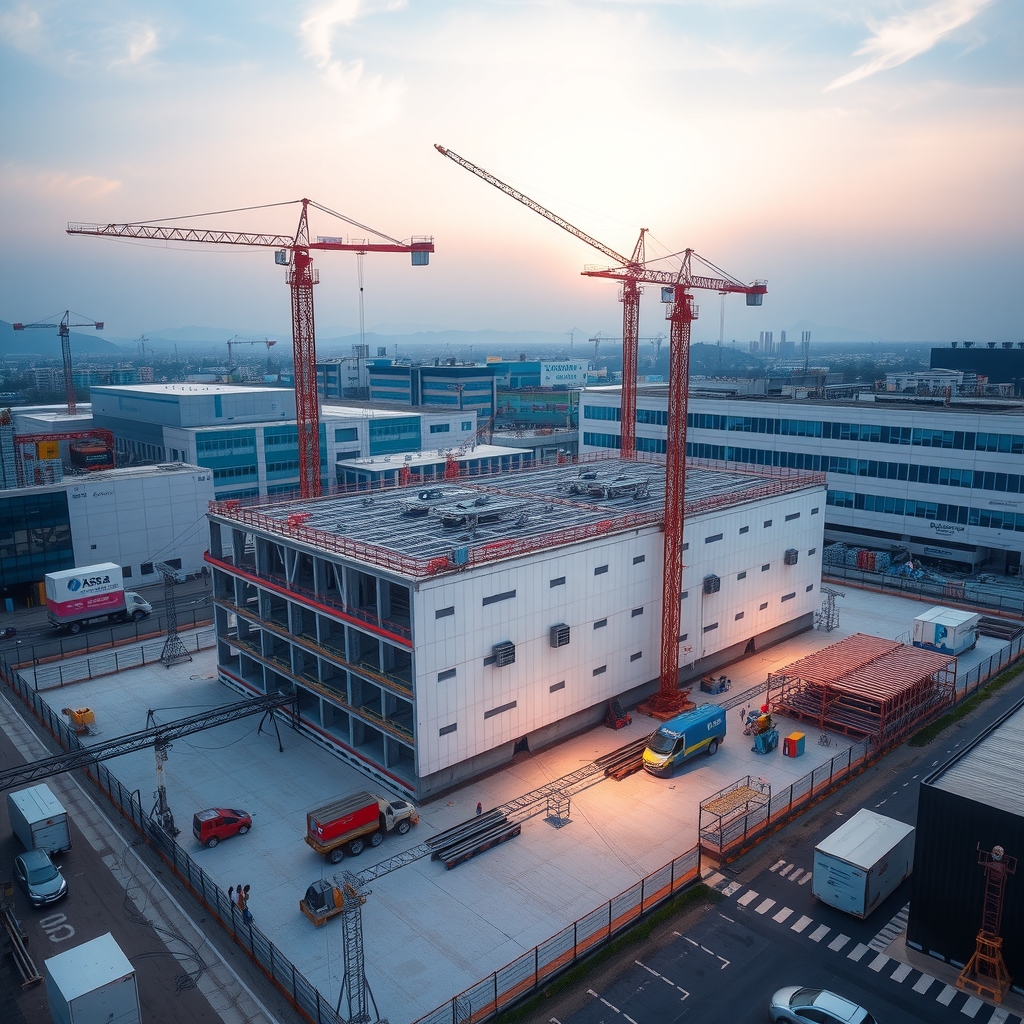
KT Cloud has signed a lease for 60MW at a data center being developed by Keppel Ltd in Ansan, South Korea. The agreement links the South Korean cloud provider with a facility that remains under development, but the available details do not specify when it is expected to open or when the leased capacity will be available.
The 60MW figure is the central detail disclosed about the lease. No further information is provided on the length of the agreement, its financial terms, the buildings or phases covered, or how KT Cloud plans to use the capacity. It is also not specified whether the figure refers to contracted power capacity, IT load, or another measure. Those distinctions matter when comparing data center commitments, so the number should not be interpreted more narrowly than the information allows.
What is known about the project
The facility is being developed by Keppel Ltd and is located in Ansan, a city in South Korea. KT Cloud is the tenant named in the lease. The reported agreement establishes a substantial capacity commitment at the project, but does not provide details about the parties’ responsibilities for construction, equipment installation, or operating the site.
The information available also does not identify the data center’s total planned capacity, its number of buildings, or whether KT Cloud’s 60MW represents all or part of the facility. No details are provided about the services that may ultimately be delivered from the site, such as general-purpose cloud infrastructure, colocation, or workloads for particular customers. Accordingly, the lease alone does not establish the facility’s intended technical configuration or customer mix.
Capacity and timeline remain open questions
For cloud providers, leased data center capacity can form part of the physical foundation for delivering computing services. In this case, however, the disclosed information does not outline how the Ansan capacity fits into KT Cloud’s wider infrastructure plans. It does not describe plans for servers, networking, power redundancy, cooling, or connectivity, and it gives no deployment schedule.
The distinction between signing a lease and bringing a data center into service is important. Keppel is identified as the developer, while KT Cloud is identified as the party leasing 60MW; the available details do not say that the facility is complete or that the leased capacity is already operational. Further project milestones would be needed to clarify when the site will be ready and when KT Cloud could begin using it.
The agreement therefore confirms a sizeable commitment by KT Cloud at a Keppel-developed project in Ansan, while leaving key commercial and technical details unresolved. Information on the lease term, the project’s overall capacity, construction progress, and the planned use of the space would provide a clearer picture of the deal’s scope and its role in KT Cloud’s infrastructure.