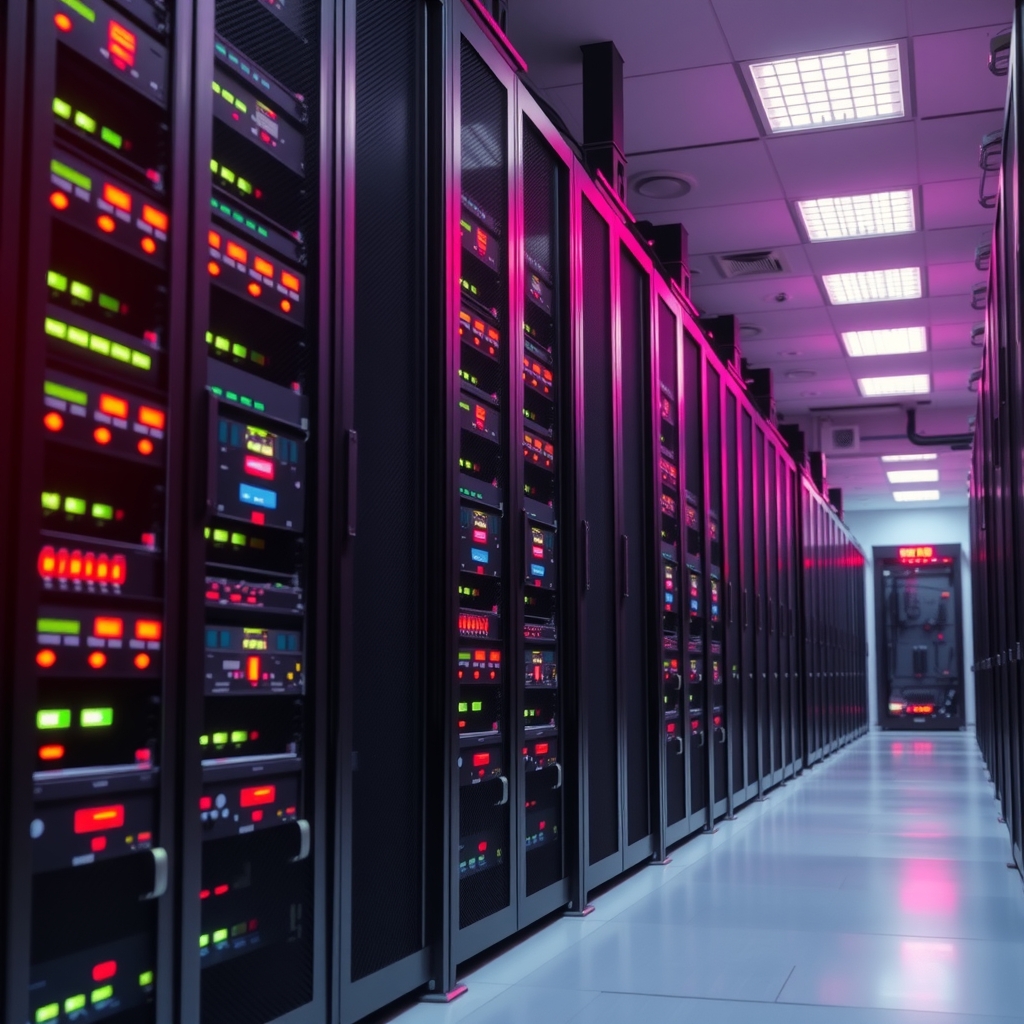

An integrated data center infrastructure framework is described as covering the lifecycle of cooling, critical power, power generation and building management systems. The brief description presents these functions together, but does not identify a provider, product, deployment, technical architecture or launch date.
That scope brings several facility disciplines into one lifecycle view. Cooling systems manage the conditions required to operate equipment, while critical power and power generation address distinct parts of a data center’s electricity needs. Building management systems provide another facility layer. The description groups these areas under a unified framework without specifying how they are connected or managed.
Lifecycle scope, not implementation detail
The lifecycle emphasis is the central point in the available information. It indicates that the framework concerns more than an individual component, but does not define which stages are included. There are no details on planning, commissioning, operations, maintenance or replacement, so those activities cannot be attributed to the framework as stated.
Nor does the description explain whether integration means shared monitoring, coordinated controls, common service processes or another arrangement. It provides no information about protocols, software, equipment vendors, data exchange, automation or interoperability. Those distinctions matter when assessing an infrastructure approach: grouping systems under a lifecycle framework does not, by itself, establish that they share a control plane or operate as a single technical system.
What operators would need to assess
For data center operators, the named domains are closely related at the facility level, but each has different operational requirements. Evaluating an integrated approach would therefore require details about its boundaries and responsibilities: which systems are covered, how information is collected, and how teams coordinate work across power, cooling and building operations. The brief does not provide those answers.
Operators would also need evidence about how the framework fits into existing facilities and equipment. No supported claims are available here about deployment models, compatibility, performance, energy efficiency, resilience, costs or measurable operational outcomes. These should be treated as open questions rather than benefits established by the description.
The available material establishes a broad subject and its four named areas, not a specific announcement with technical or commercial particulars. Further information would be needed to determine whether the framework is a product, service, reference approach or other offering, and what it changes for data center owners and operators. Until those details are supplied, the most precise characterization is a unified lifecycle framework spanning cooling, critical power, power generation and building management systems.