The landscape of industrial robotics is undergoing a significant shift as Dream Labs, a startup focused on bridging the gap between hardware capability and software intelligence, announced $90 million in seed funding. The company, which emerged from stealth with a mission to standardize robotic control, is positioning its new foundation model, Dream-1, as a universal brain capable of operating diverse robotic hardware with minimal setup time.
Despite the proliferation of affordable robotic arms—some of which are now priced comparably to high-end laptops—the industry has faced a persistent bottleneck: the lack of generalized intelligence. Historically, deploying a robot meant weeks or months of specialized, task-specific programming. When hardware was upgraded or replaced, this labor-intensive process had to be repeated from scratch. Dream Labs aims to disrupt this cycle by treating robotic dexterity as a video prediction challenge, allowing machines to learn through observation rather than rigid, manual coding.
A Foundation Model for Universal Robotics
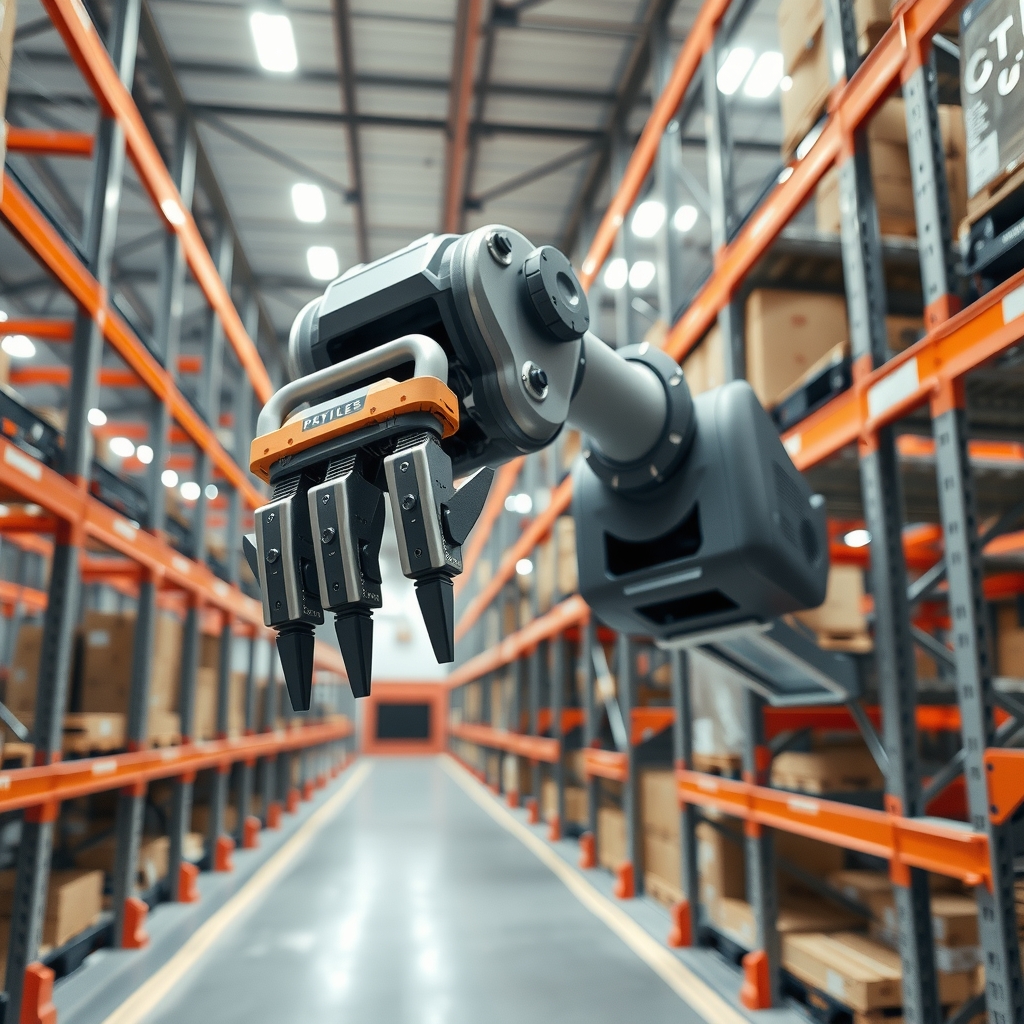
At the core of the company’s offering is Dream-1, a foundation model that utilizes human egocentric training data. By analyzing video footage of people performing physical tasks—such as packing boxes or organizing shelves—the model predicts the logical next steps required to complete an action. It then translates these predictions into physical commands for the robot. This approach enables the model to transfer intelligence across different types of robotic hardware, provided they are equipped with two arms and parallel grippers.
“When you get into a rental car, you don’t relearn how to drive. You find the controls and your past driving experience does the rest,” said Joel Jang, co-founder and Chief Executive of Dream Labs. The company asserts that this model allows robots to perform useful tasks in a matter of minutes, effectively decoupling the “brain” from the specific hardware manufacturer.
Developer Access and Cloud-Native Training
To foster wider adoption, Dream Labs has launched the Dream API, providing developers with direct access to the Dream-1 model. The service is structured as a cloud-based offering, with pricing tiers starting at $3 per hour for the high-performance version, scaling down to 75 cents per hour for lighter tasks. This API-first strategy is intended to lower the barrier to entry for companies looking to integrate intelligent automation into their existing workflows without needing to build proprietary models from the ground up.
Beyond the core API, the startup is introducing a “Fine-Tuning-as-a-Service” capability. This allows enterprises to submit custom video footage of specific, unique tasks, which Dream Labs then uses to create a specialized version of the Dream-1 model within hours. This flexibility is designed to accommodate the varied needs of industries ranging from manufacturing to logistics.
Strategic Growth and Future Roadmap
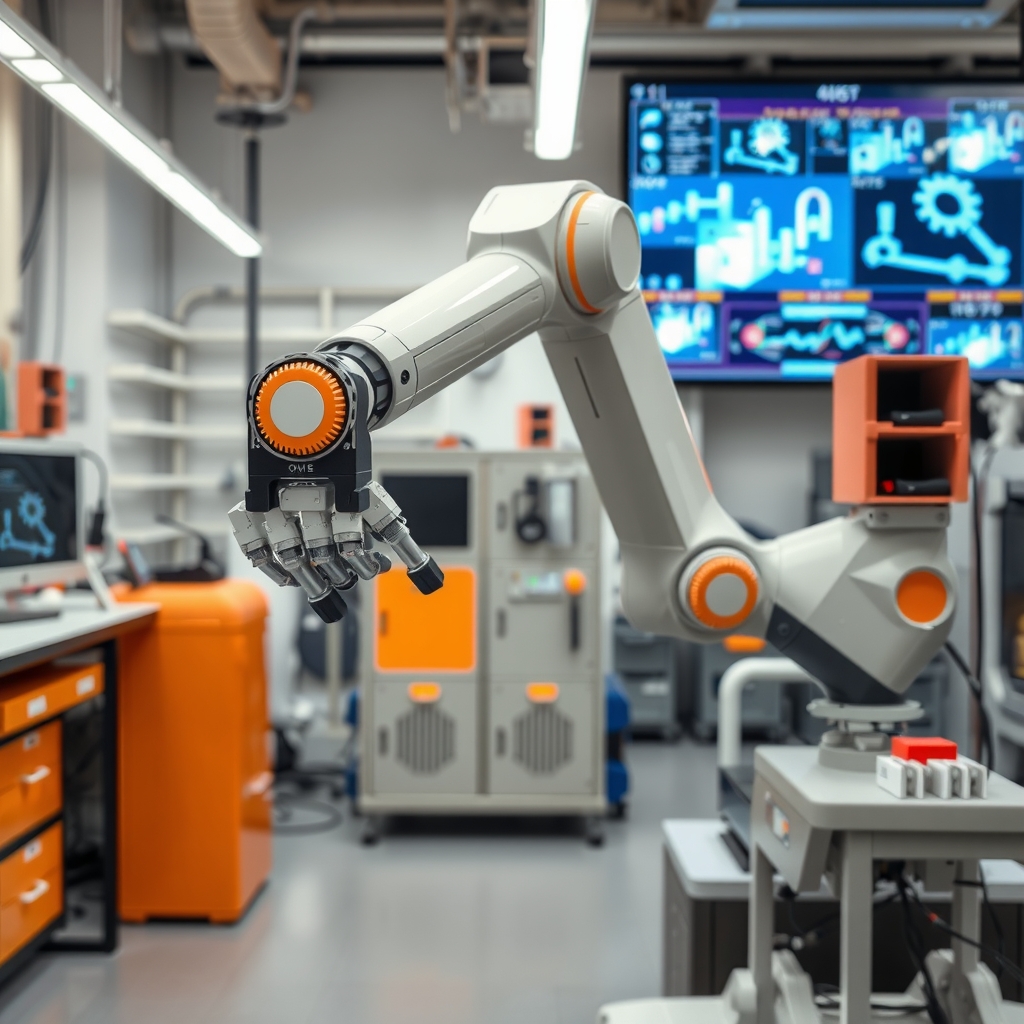
The $90 million funding round was jointly led by B Capital and Kindred Ventures, with participation from a broad group of investors including A.Capital, Unusual Ventures, Wing VC, SV Angel, and Scribble VC. The capital injection is earmarked for the significant compute resources required to scale the model’s capabilities. Future development plans include expanding the model’s support to include mobile robots and machines with highly dextrous, human-like hands.
Currently, Dream Labs is collaborating with over 20 robotic hardware partners to optimize the performance of Dream-1 across various platforms. As the company continues to refine its technology, the focus remains on transforming the robotic sector from a fragmented market of task-specific machines into a more agile ecosystem where intelligence is treated as a scalable, cloud-accessible utility.