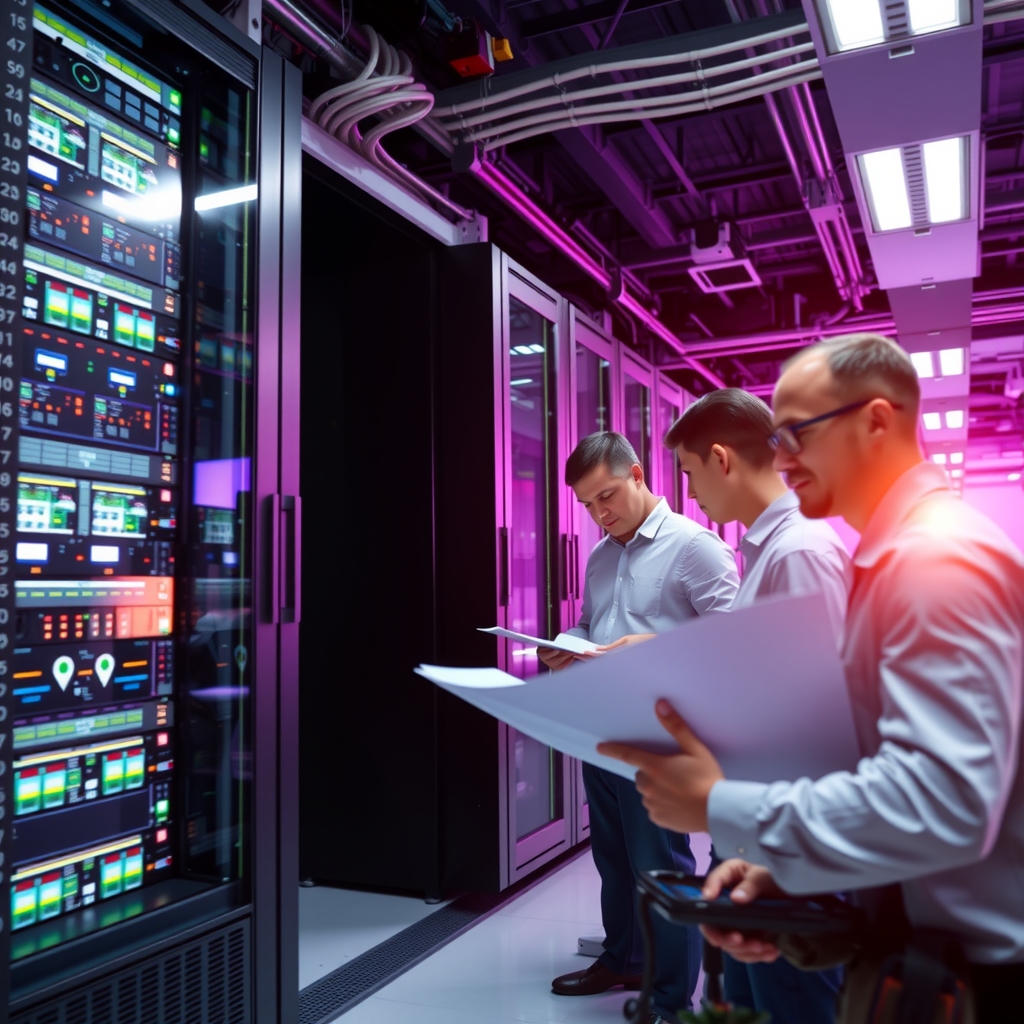
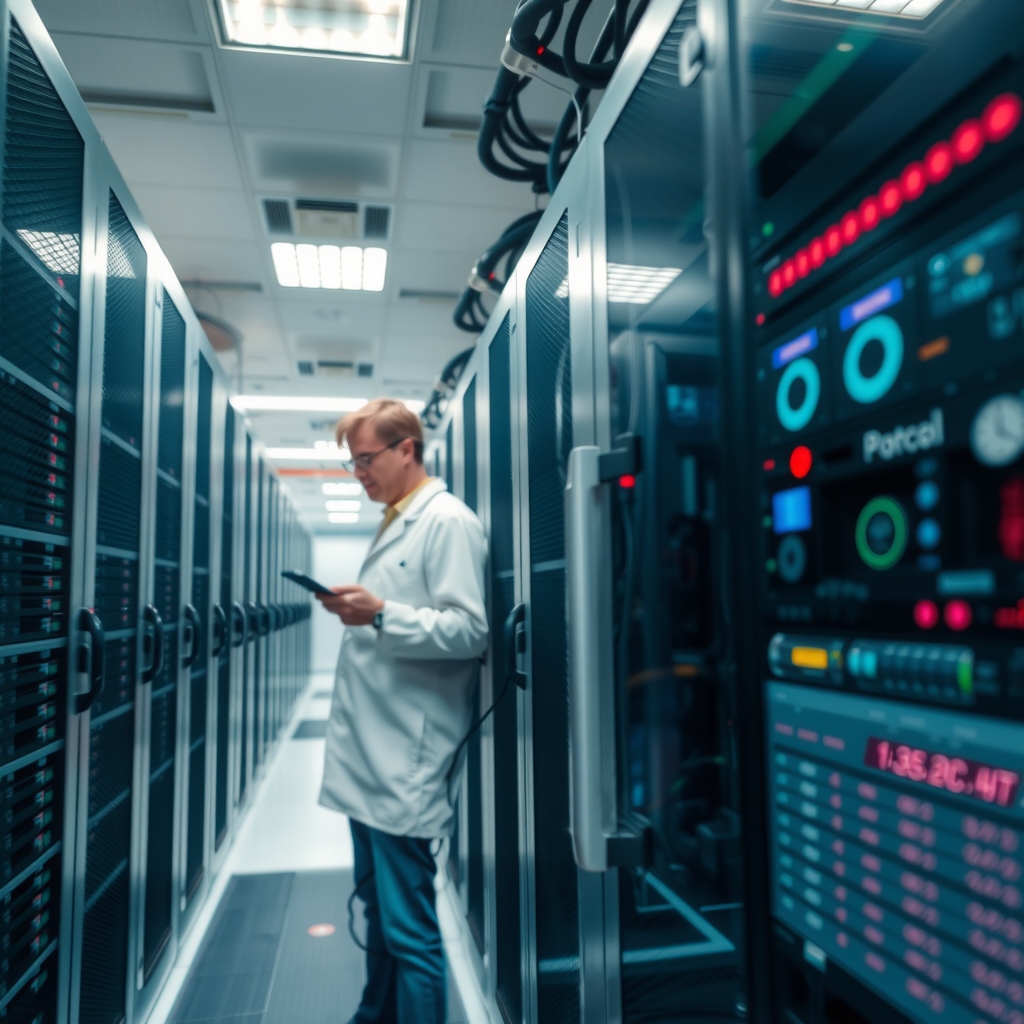
HammerHAI, an AI factory taking shape in Stuttgart, is framing sovereignty around control of data and practical access to computing rather than waiting for a fully European chip supply. Bastian Koller, managing director of the High-Performance Computing Center Stuttgart, said the center is intended to help startups and small and midsize enterprises use advanced computing while retaining the flexibility to move their workloads elsewhere.
The planned system, built by Hewlett Packard Enterprise with Nvidia Grace Blackwell chips, is part of a wider European effort to make supercomputer-class resources available to organizations that may lack the expertise or budget to operate them independently. Koller said prospective users range from startups with defined projects to those that need help exploring what AI can do for their business.
Portability is part of the service model
Rather than treating customer workloads as a reason to keep them permanently on its platform, the Stuttgart center says it is designing services to support movement between its environment and hyperscalers. Koller described the factory as a way to give organizations an initial boost, while allowing them to transfer workloads from the center to a hyperscaler or back again.
That approach reflects a practical constraint for organizations evaluating sovereign AI services: local infrastructure alone does not guarantee freedom from dependency. Customers also need usable systems, appropriate access controls and a path to operate workloads across environments. Koller said industrial users increasingly expect an experience comparable to that of a hyperscaler, rather than having to rely on shell programming.
The center has already worked with customers on existing systems while it waits for the new hardware. Koller said some users have developed success stories with those systems. The new installation is therefore intended to build on existing engagement, not mark the starting point for all customer work.
Data handling takes precedence over chip independence
Koller said complete technological independence, including a near-term switch to European processors or GPUs, is not a realistic prerequisite for serving customers. Instead, he emphasized the need to focus on data and how it is handled. The Stuttgart center operates an ISO-certified environment and holds TISAX Level 3 certification for automotive work, according to the interview.
Those credentials are relevant to manufacturers and other companies working with sensitive information, but they do not mean that every element of the underlying technology is European. The center’s stated position is more measured: use available hardware while putting attention on data governance and the conditions under which organizations can use the service.
The system is also being presented as more energy-efficient than its predecessor. Koller said the new installation is expected to deliver twice the performance of the previous 3.2-megawatt system while using about 700 kilowatts. The center reuses waste heat, he added. The figures describe the comparison Koller provided; the interview did not give further details about measurement methods or the system’s operating workload.
A consistent contact for each customer
Alongside compute capacity, the center is emphasizing hands-on guidance. Its concierge model pairs each customer with a consistent contact, giving staff the opportunity to understand how users work and what support they need. Koller argued that a technically sophisticated system can go unused if its design does not reflect user requirements.
This service element is especially relevant to smaller firms that may be testing AI rather than arriving with mature infrastructure teams and established workloads. A named contact can help them navigate access and technical questions as they evaluate the platform, although the interview did not specify the scope or service levels of that support.
HammerHAI’s approach combines a forthcoming HPE system using Nvidia Grace Blackwell chips with a focus on workload portability, certified operating conditions and customer assistance. Its pitch is not that hardware sovereignty has already been achieved, but that organizations can use advanced AI infrastructure while concentrating on data control and avoiding unnecessary platform lock-in.