The Evolution of Generative Simulation
Google has officially introduced Genie 4, the latest iteration of its generative world model series, marking a significant leap forward in the ability to construct realistic, interactive three-dimensional environments. Building upon the foundation laid in 2024, this new release focuses heavily on fluid movement, organic character behavior, and synchronized audio generation, providing a more immersive experience for users and developers alike.
At its core, Genie 4 functions as a sophisticated engine for virtual world creation. By leveraging natural language processing, users can describe complex environments, which the model then renders into high-fidelity simulations. These environments are not static; they are interactive, allowing for real-time navigation and iterative editing. Users can manipulate weather patterns, introduce new objects, or adjust camera perspectives through follow-up prompts, all while the system maintains visual consistency and photorealism.
Architectural Synergy and Reasoning Capabilities
The technical prowess of Genie 4 is derived from an orchestration of several specialized Google models. To ensure visual integrity, the system integrates Gemini Omni, a high-performance video generation model introduced earlier this year. This ensures that the assets rendered are not only detailed but also visually coherent.
Perhaps more critical to the model’s stability is the role of Gemini 3.8 Flash. This reasoning-optimized model acts as a supervisor, breaking down user goals into sequential steps and monitoring the simulation frame-by-frame. By constantly reviewing incoming data, it ensures that if a user intervenes or the environment shifts, the simulation remains aligned with the intended logic and structure. This capability represents a shift from simple image generation to a more rigorous, process-oriented simulation environment.
Transforming Robotics Training
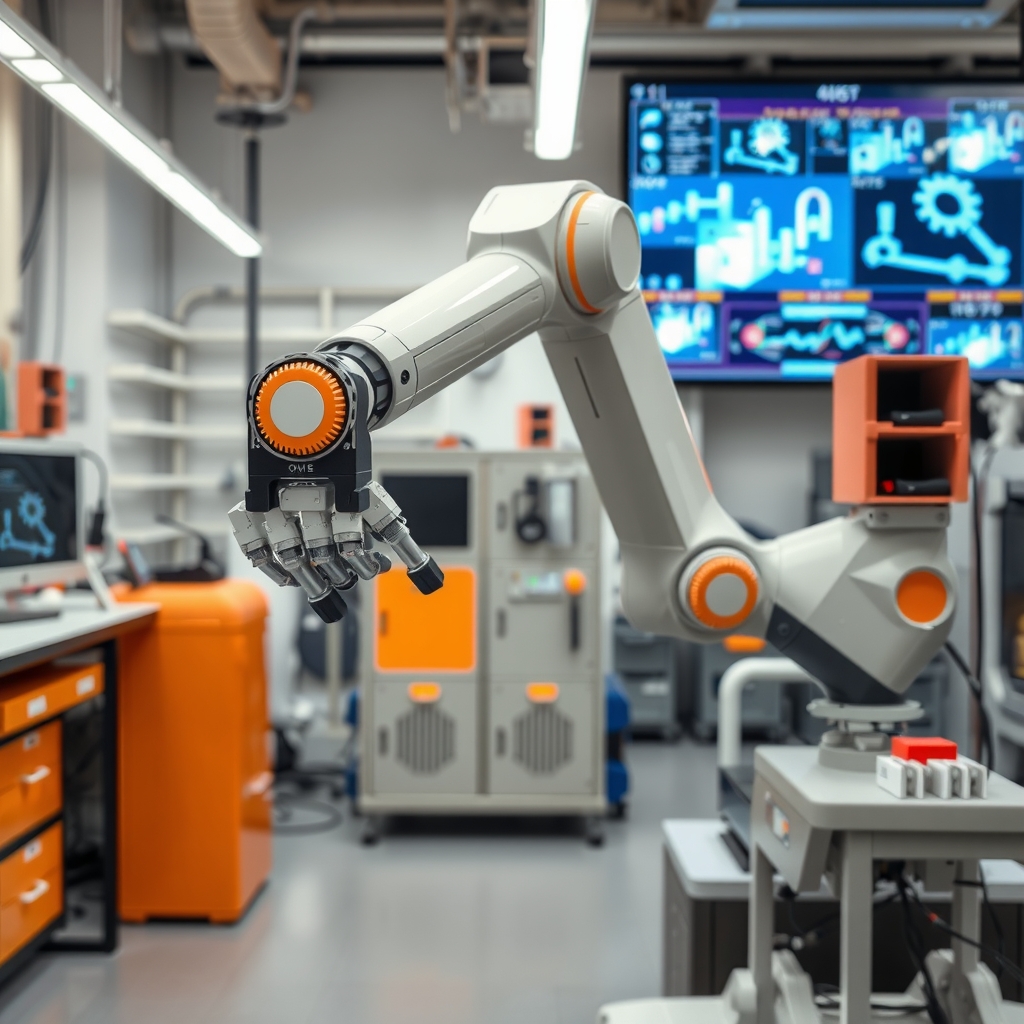
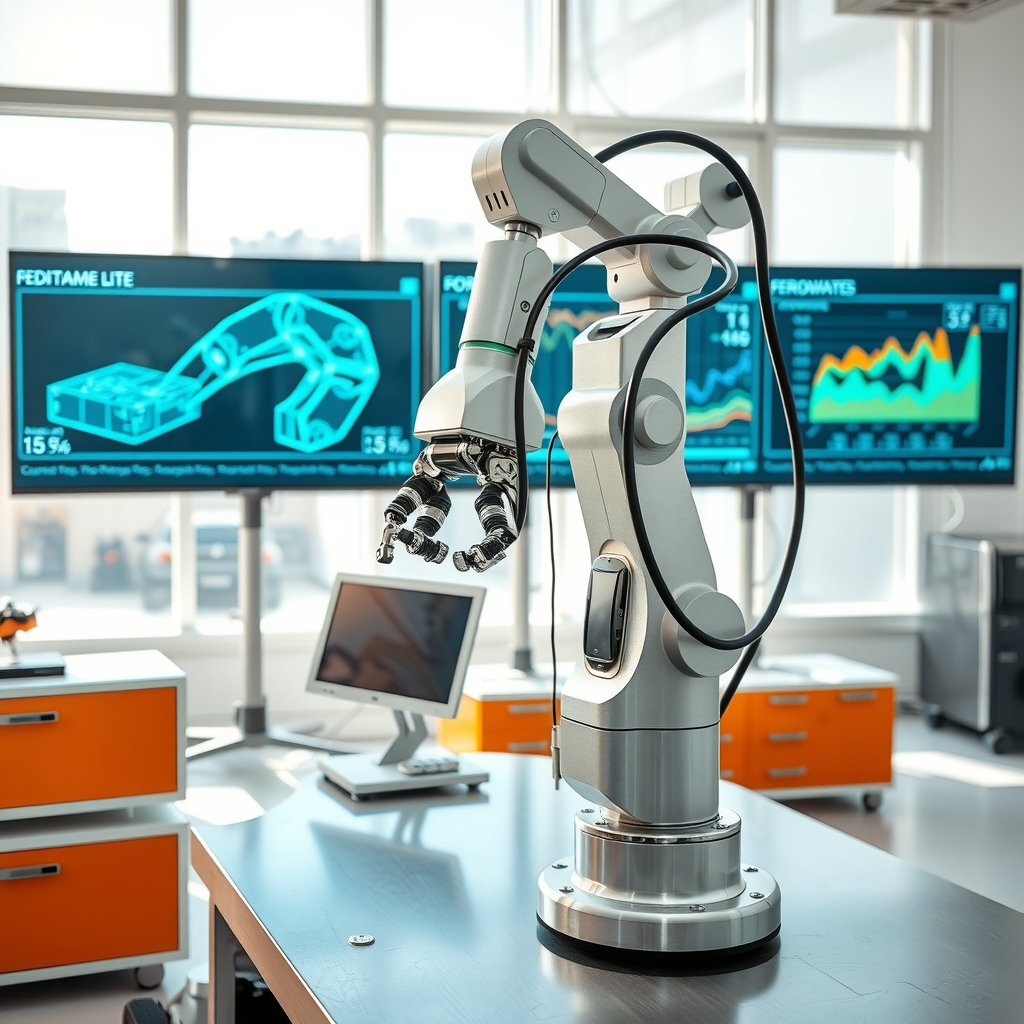
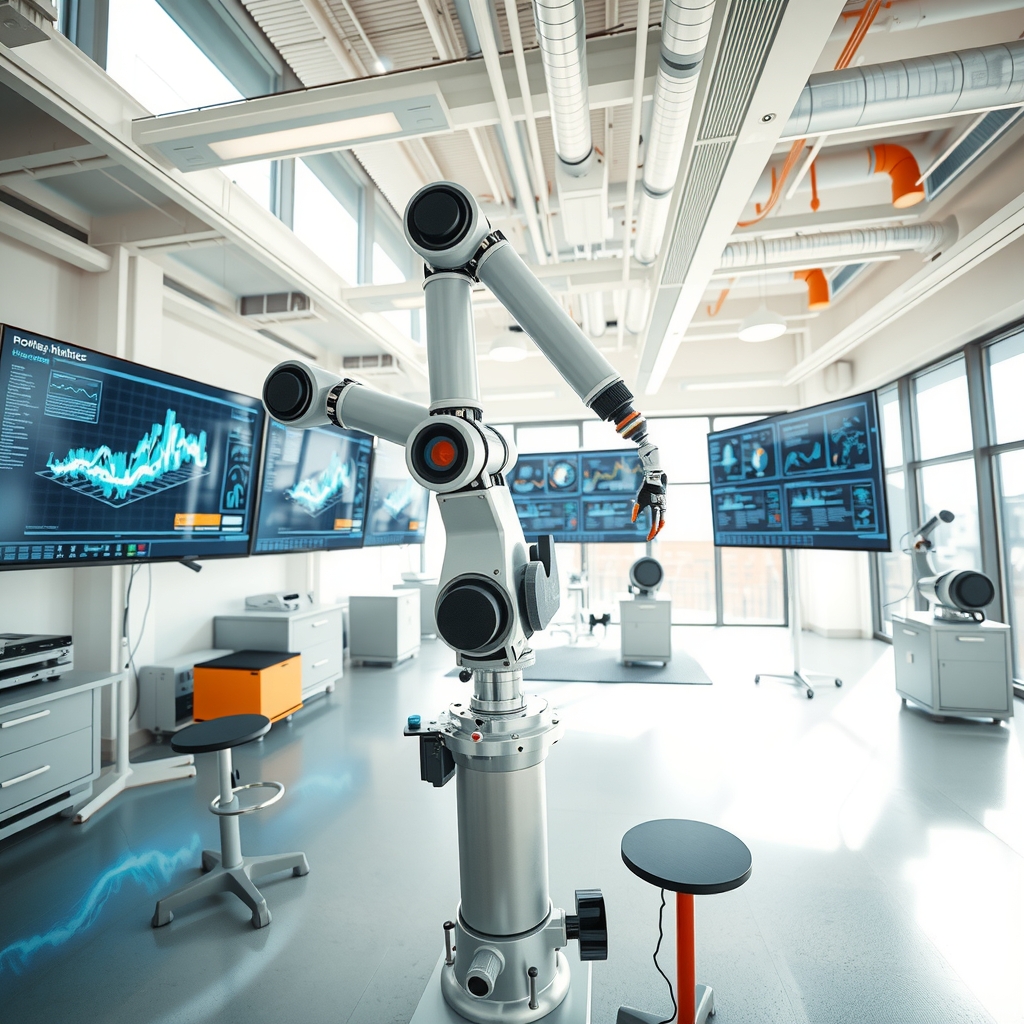
One of the most promising avenues for Genie 4 is its application in robotics. Google DeepMind is currently exploring how the model can be used to generate synthetic training data, a perennial bottleneck in the development of autonomous systems. By pairing Genie 4 with Gemini 4 Argon—Google’s flagship reasoning-optimized large language model—the company is enabling a new workflow for robotic simulation.
In this configuration, engineers can provide high-level instructions, such as asking for a simulation of a robotic arm performing precise assembly tasks. Argon then deconstructs these instructions into granular, multi-sentence prompts for Genie 4, resulting in highly detailed synthetic footage. This process allows developers to create vast libraries of visual examples, which are then used to train AI models to control physical robots. By increasing the precision and volume of these training datasets, Google aims to accelerate the deployment of intelligent machines capable of handling complex, real-world tasks.
Google has confirmed that Genie 4 is currently in a limited early-access phase. Moving forward, the company plans to integrate the model into its broader ecosystem, including the Gemini API, Google AI Studio, and its AI Ultra subscription service for consumers. As the technology matures, it is expected to become an essential tool for developers looking to bridge the gap between digital simulation and physical-world performance.